The Enduring Appeal of Physical Game Media: Why Console Players Still Choose Discs in a Digital Age

In an era where digital downloads dominate headlines and streaming services reshape entertainment consumption, a surprising trend persists in the gaming industry: physical game media continues to thrive among console players. Despite the convenience of instant digital purchases and the growing prevalence of all-digital console variants, millions of PlayStation and Xbox owners deliberately choose to buy physical discs, creating a fascinating counternarrative to the predicted death of tangible media.
Recent holiday shopping data from November 2025 reveals that physical game sales accounted for approximately 42% of all console game purchases during the critical Black Friday through Cyber Monday period, a figure that has remained remarkably stable over the past three years. This persistence demands examination: what drives console gamers to maintain their commitment to physical media when digital alternatives offer undeniable advantages in accessibility and storage?
The Psychology of Tangible Ownership
At the heart of physical media preference lies a fundamental psychological principle: the endowment effect. This cognitive bias causes people to value items they physically possess more highly than identical items they don't own. For console gamers, this manifests as a deep-seated preference for games they can hold, display, and physically control.
"There's something irreplaceable about opening a new game case, seeing the disc, and placing it on my shelf," explains Marcus Chen, a 34-year-old PlayStation collector from Seattle who owns over 300 physical games. "When I look at my collection, I see memories, experiences, and achievements. My digital library just feels like a list of titles. The physical presence matters to me in ways I can't fully articulate."
This sentiment echoes across gaming communities, particularly among players who grew up during the cartridge and disc eras. The ritual of purchasing a game, unwrapping it, and inserting it into a console creates a ceremonial experience that digital downloads cannot replicate. Psychologists studying consumer behavior note that these tactile interactions create stronger emotional connections and memory formation, making physical purchases feel more significant and valuable.
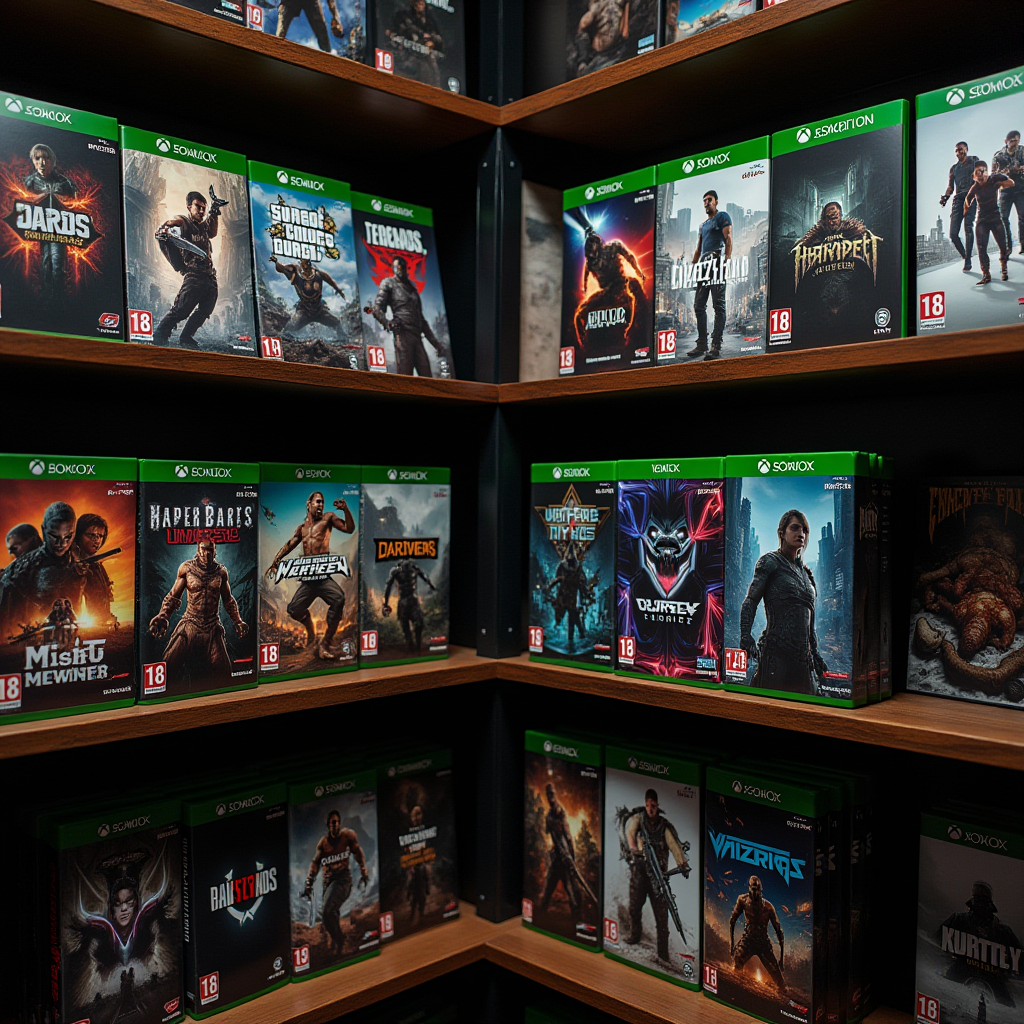
The visual aspect of game collections also plays a crucial role. Physical game libraries serve as personal museums, displaying gaming history and individual taste. Many collectors organize their shelves by franchise, genre, or chronological order, creating curated displays that reflect their gaming identity. This display function transforms game ownership from mere consumption into a form of self-expression and interior design, particularly appealing to console players who often game in shared living spaces where their collections become conversation pieces.

Economic Considerations: Resale Value and Market Dynamics
Beyond psychological factors, economic realities significantly influence the physical versus digital debate. Physical games retain resale value, creating a secondary market that benefits budget-conscious gamers and collectors alike. According to market analysis from gaming retail chains, the average physical game retains approximately 60-70% of its original value within the first six months of release, with popular titles sometimes maintaining or even exceeding their launch prices in the used market.
This resale potential fundamentally changes the economics of game ownership. A $70 physical game that can be resold for $45 after completion effectively costs $25 to experience, while a digital purchase at the same price represents a permanent $70 expenditure with no recovery option. For players who complete games relatively quickly or those interested in trying titles without long-term commitment, physical media offers substantial financial advantages.
Jennifer Rodriguez, a 28-year-old Xbox gamer from Austin, Texas, has developed a sophisticated system around physical game economics. "I buy new releases physically, play them within a month, and sell them while they still have high value," she explains. "I've calculated that I save about $800 annually compared to buying everything digitally. That's enough to fund my entire gaming hobby with money left over."
The used game market also creates accessibility for players with limited budgets. Retail chains, online marketplaces, and local game stores offer extensive catalogs of pre-owned titles at significant discounts, allowing players to build substantial libraries affordably. This ecosystem particularly benefits younger gamers and those in regions where new game prices represent substantial portions of disposable income. Digital storefronts, while offering occasional sales, cannot match the consistent availability and pricing flexibility of the physical used market.
Holiday shopping trends from November 2025 demonstrate these economic dynamics in action. Physical game sales spiked 67% during Black Friday weekend compared to typical weeks, with retailers offering aggressive discounts on new releases and popular catalog titles. Digital sales increased only 23% during the same period, suggesting that price-conscious consumers specifically seek physical media when maximizing value during promotional periods.
Ownership Permanence and Digital Uncertainty
Perhaps the most compelling argument for physical media centers on ownership permanence. Digital purchases exist within licensing frameworks that grant access rather than ownership, creating vulnerabilities that physical media avoids. Console players increasingly recognize that digital libraries depend on corporate infrastructure, account standing, and platform continuity—factors beyond individual control.
Recent incidents have heightened these concerns. In 2024, several high-profile cases saw players lose access to digital libraries due to account bans, platform policy changes, or regional licensing disputes. While these situations affect relatively small percentages of users, they create anxiety about digital ownership's fundamental nature. Physical discs, by contrast, function independently of online services, account status, or corporate decisions, providing genuine ownership that persists regardless of external factors.
"I've invested thousands of dollars in my gaming library over two decades," says David Thompson, a 42-year-old collector from Chicago who maintains both physical and digital collections. "My physical games will work as long as I have functioning hardware. My digital games exist at the pleasure of Sony, Microsoft, and various publishers. That difference matters when you're thinking about long-term preservation and access."
This preservation concern extends beyond individual access to broader cultural considerations. Gaming historians and archivists increasingly worry about digital-only distribution's implications for game preservation. Physical media creates redundancy and distribution that protects games from potential loss if digital storefronts close or companies cease operations. Collectors view their physical libraries as contributions to gaming history preservation, maintaining access to titles that might otherwise disappear from availability.

The Collector's Mindset: Special Editions and Limited Releases
Physical media's appeal intensifies when examining the collector's market for special editions, limited releases, and rare titles. Publishers recognize physical media's unique value proposition, creating elaborate special editions that transform game purchases into collectible items. These releases feature steelbook cases, art books, soundtracks, figurines, and other physical bonuses that digital versions cannot provide.
The collector's edition market has grown substantially, with major releases routinely offering multiple physical tiers ranging from standard editions to premium packages costing $200 or more. Holiday 2025 saw particularly strong collector's edition sales, with several high-profile releases selling out their limited physical runs within hours of availability. This phenomenon demonstrates that significant consumer segments value physical media not merely as game delivery mechanisms but as collectible objects with intrinsic worth beyond gameplay access.
Sarah Mitchell, a 31-year-old collector from Portland who specializes in limited edition releases, explains the appeal: "Collector's editions create experiences that extend beyond playing the game. Unboxing a well-designed special edition, examining the included art book, displaying the statue—these activities enhance my connection to the game and create lasting memories. Digital deluxe editions with bonus content don't provide the same satisfaction."
Limited physical releases also create investment opportunities. Certain games, particularly those with small print runs or cult followings, appreciate significantly in value over time. While most collectors pursue games for personal enjoyment rather than investment, the potential for value appreciation adds another dimension to physical media's appeal. Rare titles can command prices many times their original retail cost, creating a vibrant collector's market that parallels other collectible hobbies.
Platform Differences: PlayStation and Xbox Approaches
PlayStation and Xbox players exhibit distinct patterns in physical versus digital preferences, reflecting different platform cultures and corporate strategies. PlayStation users demonstrate slightly higher physical media attachment, with approximately 45% of PS5 game sales occurring through physical copies compared to 39% for Xbox Series X/S during the 2025 holiday period. These differences stem from various factors including regional market characteristics, exclusive title strategies, and historical platform positioning.
PlayStation's stronger physical presence partly reflects its significant market share in regions like Japan and Europe, where physical game retail remains culturally important. Japanese gamers particularly favor physical media, with physical sales representing over 60% of console game purchases in that market. PlayStation's exclusive titles also tend to generate strong collector interest, with limited editions of franchises like God of War, Horizon, and The Last of Us commanding premium prices and selling out quickly.
Xbox's lower physical attachment rate correlates with Microsoft's aggressive push toward digital ecosystems and Game Pass subscription services. The company's strategy emphasizes digital convenience and subscription access over traditional ownership models, influencing user behavior and expectations. However, Xbox players who do purchase physical media often exhibit strong collector tendencies, particularly for exclusive titles and backward-compatible games that work across multiple console generations.
Both platforms continue supporting physical media despite offering all-digital console variants. The PlayStation 5 and Xbox Series X maintain disc drives, acknowledging that substantial user bases value physical options. Even as digital sales grow, platform holders recognize that eliminating physical media entirely would alienate significant consumer segments and reduce market reach, particularly in regions where digital infrastructure remains limited or expensive.
Social and Sharing Dynamics
Physical media facilitates social interactions and game sharing that digital purchases restrict. Console players frequently lend games to friends, family members, and gaming communities, creating social bonds and shared experiences impossible with digitally-locked content. This sharing culture particularly thrives among younger gamers, families with multiple players, and tight-knit gaming communities where physical games circulate among members.
"My gaming group has about eight regular members, and we share physical games constantly," explains Michael Park, a 26-year-old gamer from Denver. "When someone finishes a game, it goes to the next person interested in playing it. We've collectively experienced dozens of titles this way without everyone needing to purchase every game individually. That wouldn't work with digital copies."
Family gaming dynamics also favor physical media. Parents purchasing games for children appreciate the ability to control access physically, lend games between siblings, and resell titles as children age out of appropriate content. Physical media provides parental control mechanisms that feel more tangible and manageable than digital account restrictions, particularly for families less comfortable with digital platform management.
The gift-giving aspect of physical games cannot be overlooked. Physical copies create better gift experiences than digital codes, offering tangible presents that recipients can unwrap and immediately appreciate. Holiday shopping data consistently shows physical game sales spiking during gift-giving seasons, with November and December accounting for disproportionate shares of annual physical sales. The ability to wrap and present a physical game adds ceremonial value that digital gift cards cannot replicate.
Future Outlook: Coexistence Rather Than Extinction
Despite predictions of physical media's imminent demise, evidence suggests a more nuanced future where physical and digital options coexist, serving different consumer needs and preferences. The gaming industry increasingly recognizes that physical media addresses specific use cases and psychological needs that digital distribution cannot fully satisfy, leading to strategies that support both formats rather than forcing digital-only transitions.
Market analysts project physical game sales will stabilize at approximately 35-40% of total console game revenue through 2027, representing a sustainable niche rather than a dying format. This stabilization reflects the emergence of a dedicated physical media consumer base unlikely to abandon tangible ownership regardless of digital convenience improvements. These consumers value physical media's unique attributes enough to accept its limitations, creating reliable demand that justifies continued retail and manufacturing support.
Publishers and platform holders adapt strategies accordingly. Rather than eliminating physical media, companies optimize production and distribution to serve committed physical buyers efficiently while expanding digital offerings for convenience-focused consumers. This dual-track approach maximizes market reach and revenue while respecting consumer preferences, acknowledging that different players have legitimate reasons for preferring different formats.
The collector's market particularly ensures physical media's longevity. As long as publishers can profit from special editions and limited releases, physical production will continue. The premium prices collectors pay for elaborate physical packages often exceed digital sale margins, creating economic incentives for maintaining physical options even as mainstream distribution shifts digital.
Conclusion: The Tangible Value Proposition
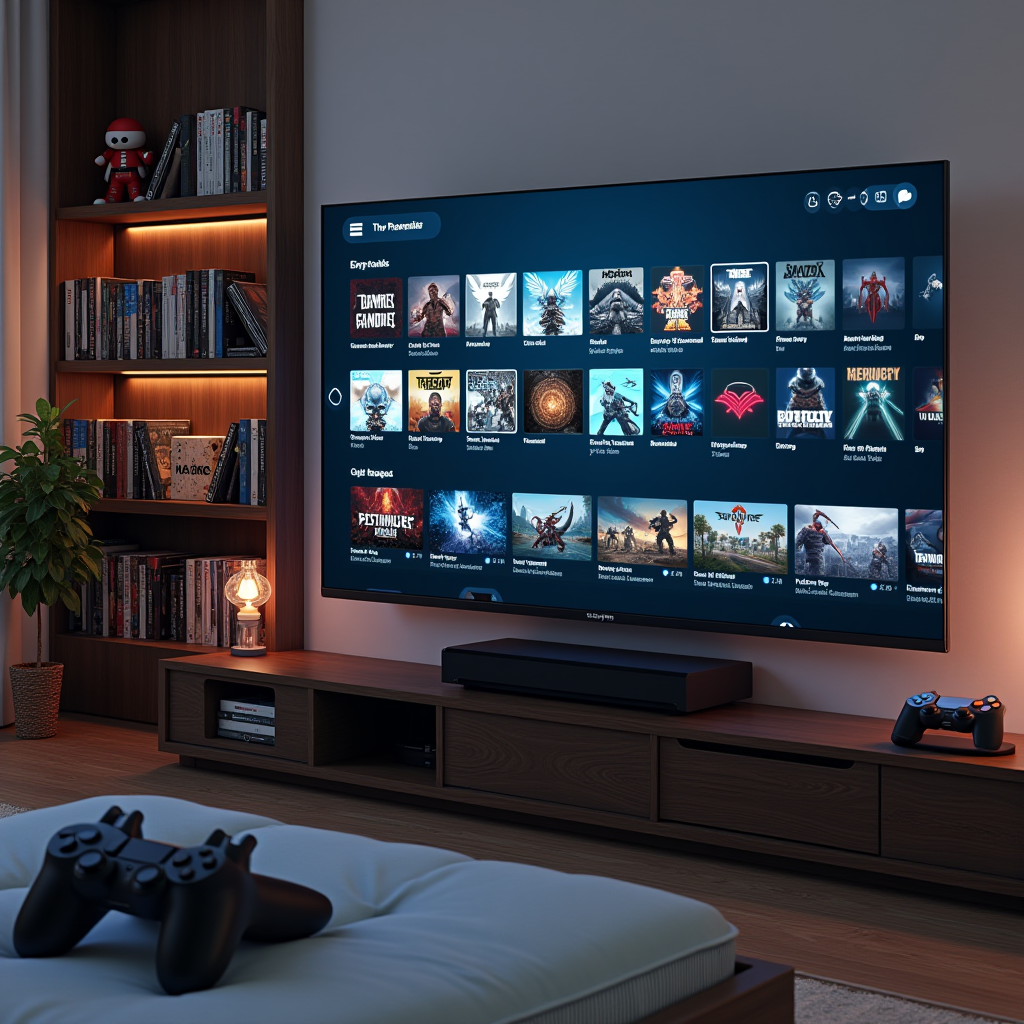
Physical game media's persistence in the digital age reflects fundamental human preferences for tangible ownership, economic flexibility, and permanent access. Console players who choose physical copies aren't simply resisting technological progress—they're making rational decisions based on psychological satisfaction, financial considerations, and ownership philosophy that digital alternatives cannot fully address.
The collector psychology driving physical purchases combines emotional attachment, display value, and preservation instincts that create powerful motivations transcending mere convenience calculations. The economic advantages of resale markets and used game availability provide practical benefits that significantly reduce gaming costs for budget-conscious players. Ownership permanence concerns, while affecting relatively few users directly, create anxiety about digital media's fundamental nature that physical copies eliminate entirely.
As the gaming industry continues evolving, physical media will likely occupy a smaller but stable market segment, serving dedicated consumers who value its unique attributes. Rather than viewing this as resistance to progress, the industry increasingly recognizes physical media preference as legitimate consumer choice deserving support alongside digital options. The future of game distribution isn't digital replacement of physical media but rather coexistence of formats serving different needs, preferences, and use cases.
For console players navigating this landscape, the choice between physical and digital ultimately depends on individual priorities, gaming habits, and values. Those who treasure collections, value resale flexibility, or prioritize ownership permanence will continue finding compelling reasons to choose physical media. Those prioritizing convenience, instant access, or digital ecosystem integration will embrace digital distribution. Both choices remain valid, and the gaming industry's accommodation of both formats ensures players can select approaches aligning with their preferences and needs.
The enduring appeal of physical game media demonstrates that in an increasingly digital world, tangible ownership retains profound value for many consumers. As long as players find meaning in holding, displaying, and truly owning their games, physical media will maintain its place in gaming culture, serving as a reminder that not all progress requires abandoning what came before.