Breaking Down Barriers: The Evolution of Mobile Gaming Perception
How competitive mobile titles, cross-platform play, and premium experiences are challenging traditional gatekeeping attitudes while making gaming more accessible than ever before.

For years, mobile gamers have occupied an uncomfortable position within the broader gaming community. Dismissed as "casual," "not real gamers," or simply ignored in discussions about gaming culture, mobile players have faced persistent gatekeeping from PC and console gaming communities. However, as we approach the end of 2025, the landscape is shifting dramatically. The evolution of mobile gaming technology, the rise of competitive mobile esports, and the increasing sophistication of mobile titles are forcing a long-overdue reconsideration of what it means to be a gamer in the modern era.
This transformation isn't just about technology or game quality—it's about accessibility, inclusivity, and the democratization of gaming itself. Mobile gaming has become the most inclusive platform for diverse player demographics, breaking down socioeconomic barriers that have historically limited access to gaming experiences. Understanding this shift requires examining not just the games themselves, but the cultural attitudes, economic factors, and social dynamics that have shaped gaming communities across different platforms.
The Historical Divide: Understanding Gaming Platform Hierarchies
The gaming community has long operated with an implicit hierarchy of platforms, with PC gaming traditionally occupying the top tier, console gaming in the middle, and mobile gaming relegated to the bottom. This hierarchy wasn't arbitrary—it emerged from real differences in hardware capabilities, game complexity, and the types of experiences each platform could deliver. PC gamers prided themselves on superior graphics, precise mouse-and-keyboard controls, and access to the most demanding titles. Console gamers valued their dedicated gaming hardware and exclusive franchises. Mobile gamers, meanwhile, were often characterized as playing simple puzzle games or endless runners during brief moments of downtime.
This perception was reinforced by early mobile gaming's focus on casual, free-to-play titles with aggressive monetization strategies. Games like Candy Crush and Clash of Clans, while commercially successful, became symbols of everything "hardcore" gamers claimed to oppose: shallow gameplay, pay-to-win mechanics, and experiences designed for short attention spans. The term "mobile gamer" became almost pejorative in certain gaming circles, used to dismiss players who didn't invest in expensive gaming hardware or dedicate hours to mastering complex game systems.

However, this hierarchy always overlooked crucial factors. It ignored the skill required to master touch controls, the strategic depth of many mobile titles, and most importantly, the accessibility advantages that mobile gaming provided. While PC and console gaming required significant upfront investment—hundreds or thousands of dollars for hardware, plus the cost of games—mobile gaming only required a device that many people already owned for other purposes. This fundamental difference in accessibility would prove crucial to mobile gaming's eventual mainstream acceptance.
The gatekeeping attitudes that emerged from this hierarchy weren't just about game quality or platform capabilities. They reflected deeper issues within gaming culture: elitism, exclusivity, and a resistance to acknowledging that different types of gaming experiences could be equally valid. The dismissal of mobile gamers often carried undertones of classism and cultural bias, failing to recognize that for millions of people worldwide, mobile devices represented their only practical access point to gaming.
The Competitive Revolution: Mobile Esports Come of Age
Nothing has challenged traditional perceptions of mobile gaming more dramatically than the explosive growth of competitive mobile esports. Games like PUBG Mobile, Call of Duty Mobile, Mobile Legends: Bang Bang, and Arena of Valor have demonstrated that mobile platforms can support genuinely competitive experiences with skill ceilings comparable to their PC and console counterparts. These titles aren't simplified versions of "real" games—they're sophisticated competitive experiences in their own right, with dedicated professional scenes, substantial prize pools, and millions of engaged viewers.
The numbers tell a compelling story. Mobile esports tournaments now regularly feature prize pools in the millions of dollars, with some events rivaling traditional esports in viewership and engagement. The 2025 Mobile Legends: Bang Bang World Championship drew over 5 million concurrent viewers, while PUBG Mobile's competitive scene has established itself across multiple regions with professional teams, coaches, and infrastructure comparable to traditional esports organizations. These aren't casual gaming experiences—they're serious competitive endeavors requiring thousands of hours of practice, strategic depth, and mechanical skill.
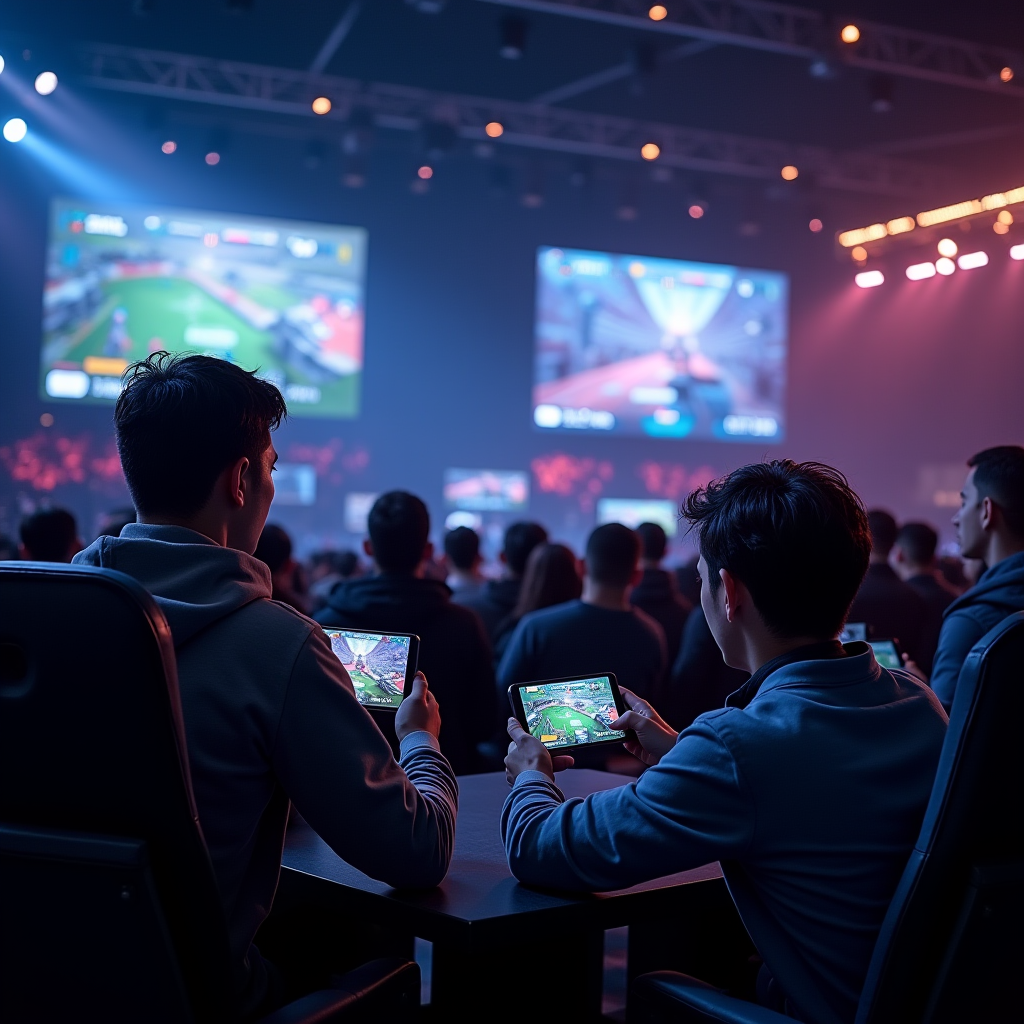
What makes mobile esports particularly significant is how they've expanded the competitive gaming audience. In regions like Southeast Asia, Latin America, and parts of Africa, mobile esports have become the dominant form of competitive gaming, not because of inferior alternatives, but because mobile devices provide the most practical and accessible platform for competitive play. Professional mobile gamers in these regions have achieved celebrity status, earning substantial incomes and inspiring new generations of competitive players.
The skill expression in top-tier mobile gaming has also evolved dramatically. Professional mobile players demonstrate incredible mechanical precision, strategic awareness, and game sense that rivals any other platform. The touch controls that were once dismissed as inferior have become a unique skill set, with top players executing complex maneuvers and precise inputs that would be impossible with traditional controllers. This has forced even skeptical observers to acknowledge that mobile gaming requires genuine skill and dedication at the highest levels.
Perhaps most importantly, mobile esports have created new pathways to professional gaming for players who might never have had access to traditional esports. The lower barrier to entry—both in terms of hardware costs and geographical accessibility—has democratized competitive gaming in unprecedented ways. Players from developing nations, rural areas, and economically disadvantaged backgrounds can now compete at the highest levels, fundamentally changing the demographics and diversity of professional gaming.
Cross-Platform Play: Bridging the Divide
The implementation of cross-platform play has been one of the most significant factors in changing perceptions of mobile gaming. When mobile players can compete directly with PC and console players in the same matches, the artificial barriers between platforms begin to dissolve. Games like Fortnite, Call of Duty: Warzone Mobile, and Genshin Impact have demonstrated that mobile players can hold their own against players on other platforms, challenging long-held assumptions about mobile gaming's competitive viability.
Cross-platform functionality has revealed something that many traditional gamers found surprising: mobile players aren't inherently less skilled or less serious about gaming. When given access to the same content and competitive environments, mobile players demonstrate comparable skill levels, strategic thinking, and game knowledge. The platform differences that once seemed insurmountable—control schemes, graphics quality, performance—have proven less significant than many assumed. Skilled mobile players regularly outperform casual PC or console players, demonstrating that player skill matters more than platform choice.
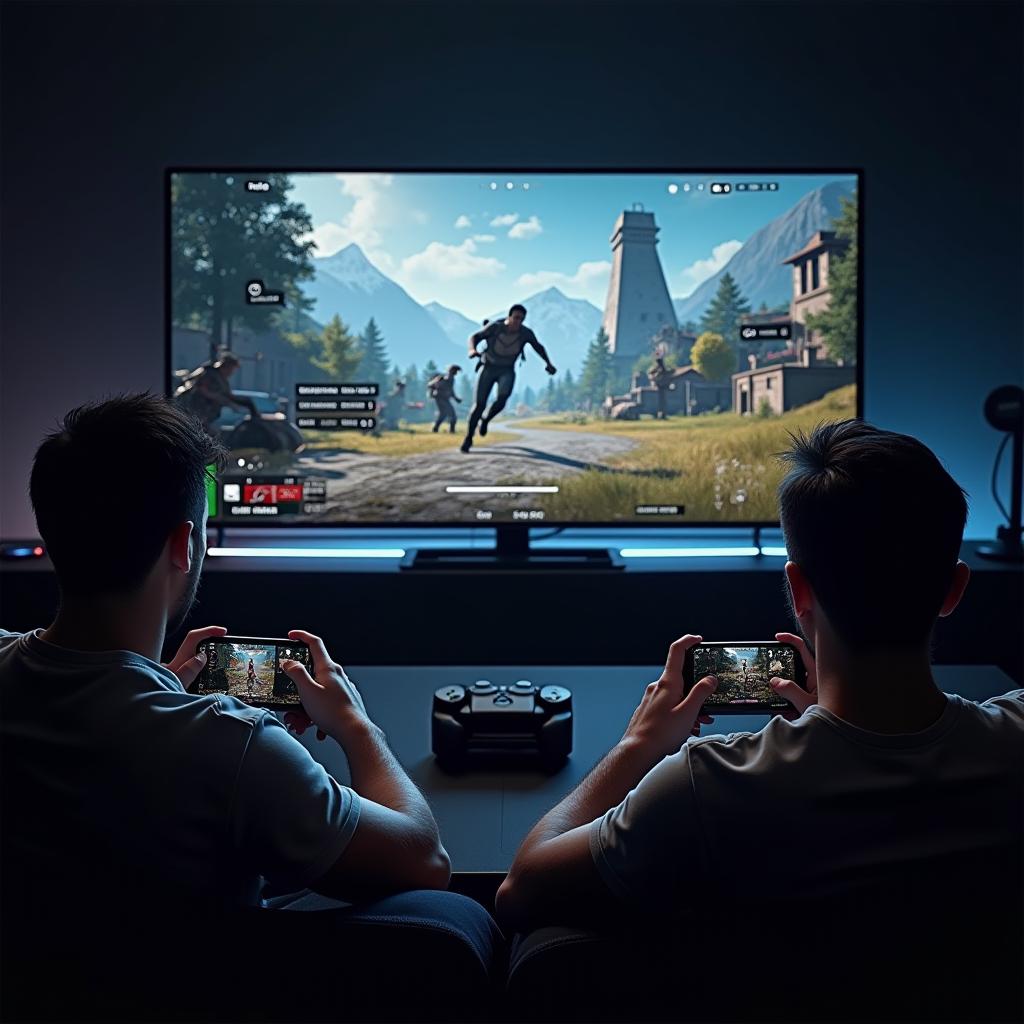
The social impact of cross-platform play extends beyond competitive balance. It has created opportunities for friends and family members to play together regardless of their platform preferences or economic circumstances. A player with a high-end gaming PC can team up with a friend who only has a smartphone, breaking down the economic barriers that previously segregated gaming communities. This inclusivity has strengthened gaming's social fabric, making it more accessible and welcoming to diverse player populations.
Developers have also learned valuable lessons from implementing cross-platform play. The need to balance gameplay across different input methods and hardware capabilities has led to more thoughtful game design, with features like aim assist, input-based matchmaking, and platform-specific optimizations ensuring fair competition. These innovations benefit all players, regardless of platform, by creating more balanced and enjoyable competitive environments.
However, cross-platform play has also highlighted ongoing challenges. Some competitive communities remain resistant to mobile players, citing concerns about competitive integrity or input method advantages. These debates reflect deeper tensions within gaming culture about what constitutes "legitimate" gaming and who deserves recognition as a "real" gamer. Addressing these attitudes requires continued dialogue, education, and demonstration of mobile gaming's competitive legitimacy.
Premium Mobile Experiences: Redefining Quality Standards
The emergence of premium mobile gaming experiences has fundamentally challenged the perception that mobile games are inherently casual or low-quality. Titles like Genshin Impact, Honkai: Star Rail, Diablo Immortal, and League of Legends: Wild Rift have demonstrated that mobile platforms can deliver AAA-quality experiences with production values, gameplay depth, and content volume comparable to traditional PC and console games. These games aren't simplified mobile ports—they're fully-featured experiences designed specifically for mobile platforms while maintaining the quality standards of premium gaming.
Genshin Impact, in particular, has become a watershed moment for mobile gaming perception. The game's stunning visuals, expansive open world, complex combat systems, and regular content updates rival any PC or console action RPG. The fact that it runs on mobile devices—and that many players choose mobile as their primary platform despite having access to other options—has forced even skeptical gamers to reconsider their assumptions about mobile gaming's capabilities. The game's massive commercial success, generating billions in revenue, has also demonstrated the viability of premium mobile experiences as a business model.
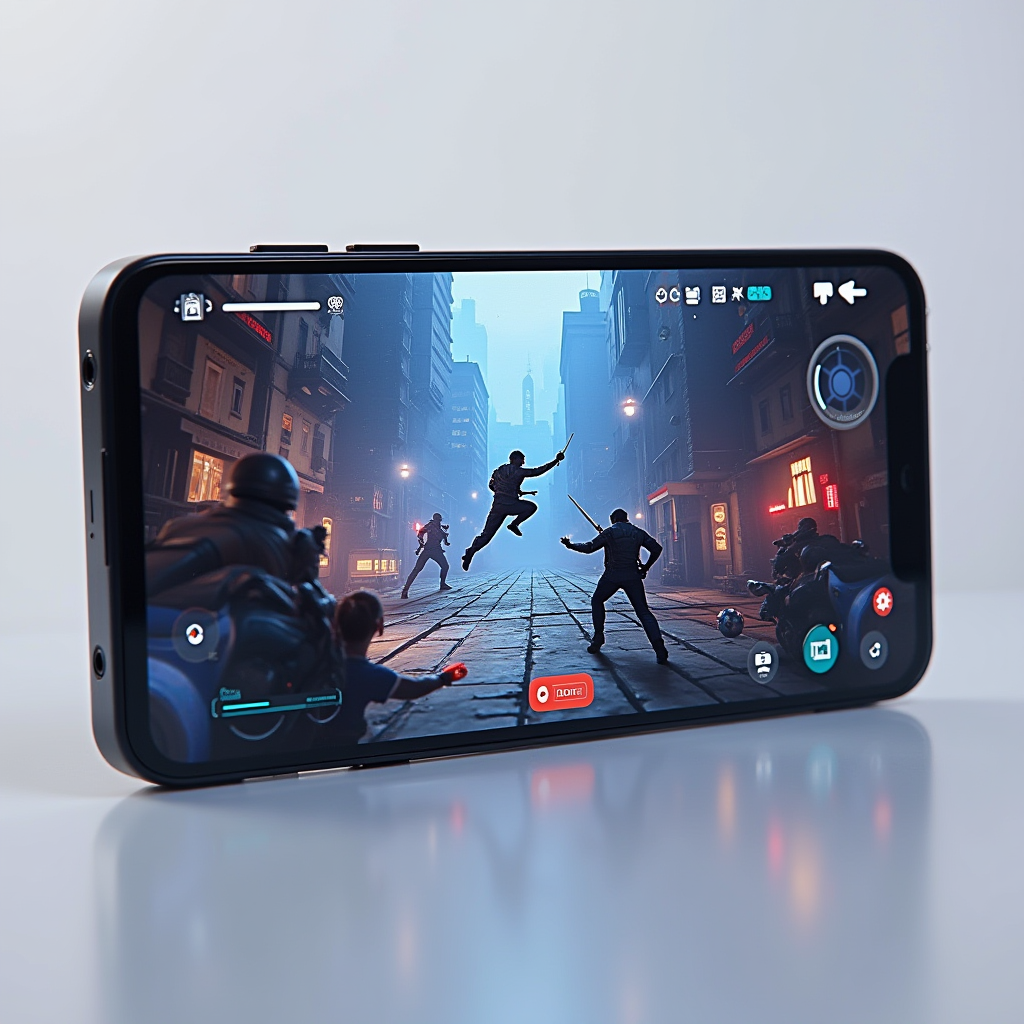
The technical achievements of modern mobile games are remarkable. Advanced graphics engines, sophisticated physics systems, complex AI, and massive open worlds all run on devices that fit in your pocket. Mobile hardware has evolved to the point where flagship smartphones can deliver gaming experiences that would have required high-end gaming PCs just a few years ago. This technological progress has eliminated one of the primary arguments against mobile gaming: that the platform simply couldn't deliver high-quality gaming experiences.
Premium mobile games have also adopted more player-friendly monetization models, moving away from the aggressive pay-to-win mechanics that characterized early mobile gaming. While free-to-play models remain common, many premium mobile titles now offer fair monetization systems focused on cosmetics and optional content rather than competitive advantages. Some developers have even released premium mobile games with upfront purchase prices and no additional monetization, treating mobile as a legitimate platform for traditional game sales.
The success of premium mobile experiences has created a positive feedback loop. As more high-quality games prove successful on mobile platforms, more developers invest in creating ambitious mobile titles. This increased investment leads to better games, which attract more players, which justifies further investment. This cycle is gradually transforming mobile gaming from a platform dominated by casual experiences to one that offers the full spectrum of gaming experiences, from quick puzzle games to epic RPGs.
Socioeconomic Accessibility: Gaming's Great Equalizer
Perhaps the most significant aspect of mobile gaming's evolution is its role as an accessibility platform, breaking down socioeconomic barriers that have historically limited access to gaming. While a gaming PC can cost $1,000-$3,000 and current-generation consoles retail for $400-$500, many people already own smartphones for communication and work purposes. This fundamental difference in accessibility has made mobile gaming the most inclusive platform for diverse player demographics worldwide.
The global impact of mobile gaming's accessibility cannot be overstated. In developing nations and emerging markets, mobile devices represent the primary—and often only—access point to digital gaming. Countries across Southeast Asia, Latin America, Africa, and parts of Eastern Europe have vibrant mobile gaming communities that dwarf their PC and console gaming populations. For millions of players in these regions, mobile gaming isn't a secondary or casual option—it's their entire gaming experience.
This accessibility extends beyond international markets. Within developed nations, mobile gaming provides access to players who might be excluded from traditional gaming due to economic constraints, living situations, or other practical limitations. Students, working-class families, people living in small apartments, and those without dedicated gaming spaces can all participate in gaming culture through mobile devices. This inclusivity has fundamentally changed gaming demographics, bringing in players from backgrounds traditionally underrepresented in gaming communities.
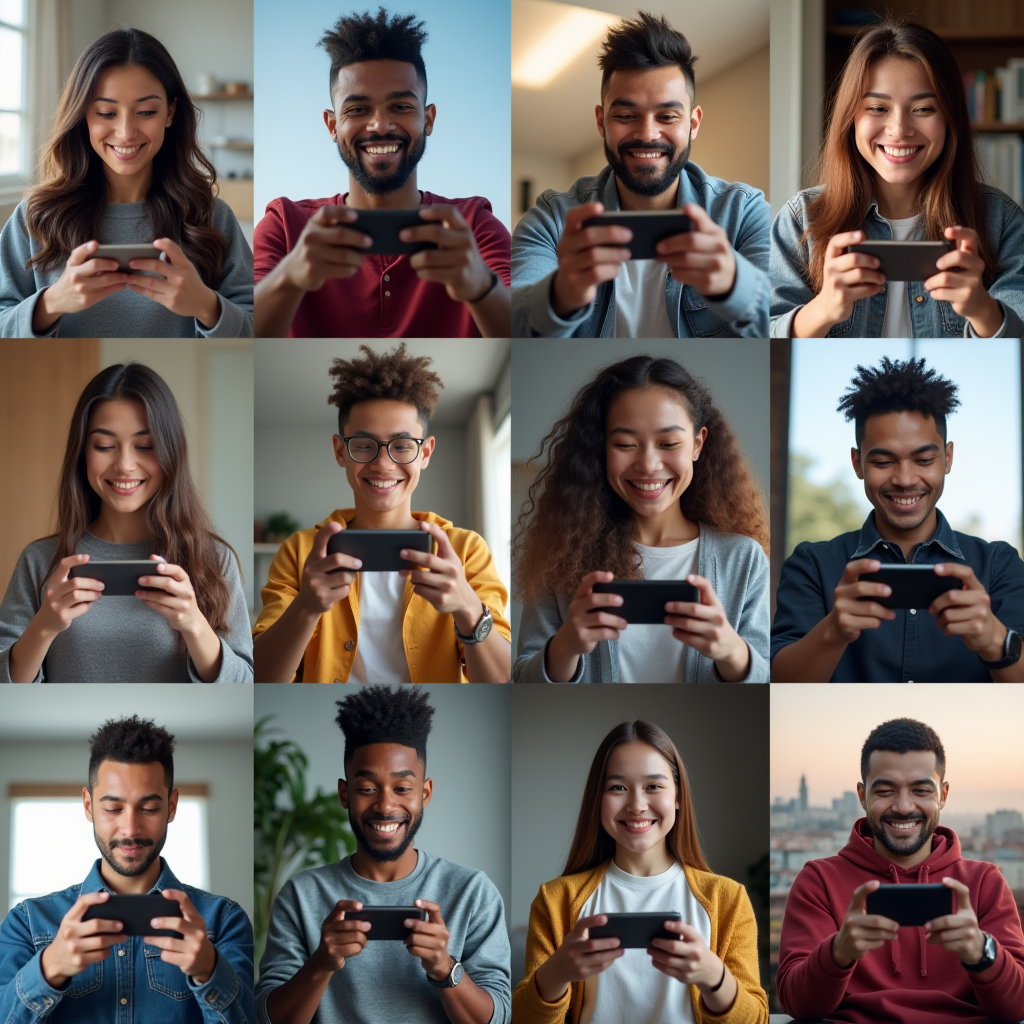
The portability of mobile gaming also creates unique accessibility advantages. Players can game during commutes, lunch breaks, or other moments that wouldn't accommodate traditional gaming setups. This flexibility makes gaming accessible to people with demanding work schedules, family responsibilities, or other time constraints that might prevent them from dedicating hours to sitting at a PC or console. Mobile gaming adapts to players' lives rather than requiring players to adapt their lives to gaming.
Mobile gaming has also proven more accessible for players with certain disabilities. Touch controls can be easier to use than traditional controllers for some players, and the ability to play in various positions and locations provides flexibility that fixed gaming setups cannot match. While accessibility features in mobile games still need improvement, the platform's inherent flexibility offers unique advantages for players with diverse needs.
The socioeconomic accessibility of mobile gaming challenges the gaming community to reconsider its values and priorities. If gaming is truly about the joy of play, the challenge of competition, and the connections formed through shared experiences, then the platform used to access those experiences shouldn't matter. Mobile gaming's accessibility makes it the most democratic gaming platform, and recognizing this requires acknowledging that economic barriers to gaming are real and significant for many potential players.
Cultural Shifts and Community Evolution
The changing perception of mobile gaming reflects broader cultural shifts within gaming communities. Younger generations of gamers, who grew up with smartphones as ubiquitous technology, don't carry the same platform biases as older gamers. For many Gen Z and younger Millennial gamers, mobile gaming is simply gaming—not a separate or inferior category. This generational shift in attitudes is gradually transforming gaming culture from the ground up.
Social media and streaming platforms have also played crucial roles in changing mobile gaming's perception. Mobile gaming content creators on YouTube, Twitch, and TikTok have built massive audiences, demonstrating that mobile gaming can be just as entertaining to watch as PC or console gaming. Professional mobile gamers and content creators have become influential figures within gaming communities, using their platforms to challenge stereotypes and showcase mobile gaming's depth and complexity.
Gaming communities themselves are evolving to become more inclusive and less platform-focused. Many gaming forums, Discord servers, and social groups now welcome players from all platforms, recognizing that shared interests in specific games or genres matter more than the devices used to play them. This shift toward platform-agnostic communities reflects a maturing gaming culture that values inclusivity over exclusivity.
However, resistance to mobile gaming's legitimacy persists in some corners of gaming culture. Some PC and console gaming communities continue to dismiss mobile players, often using arguments that mask deeper biases about class, culture, and what "real" gaming should look like. Addressing these attitudes requires ongoing education, dialogue, and demonstration of mobile gaming's value and legitimacy. It also requires acknowledging that some resistance to mobile gaming stems from valid concerns about monetization practices, game design trends, and the impact of mobile gaming's success on the broader industry.
The evolution of gaming journalism and criticism has also contributed to changing perceptions. Major gaming publications now provide serious coverage of mobile games, treating them with the same critical rigor as PC and console titles. Mobile games receive reviews, analysis, and commentary that acknowledge their strengths and weaknesses without dismissing them based solely on platform. This legitimization through critical discourse has helped establish mobile gaming as a serious subject worthy of thoughtful discussion.
Looking Forward: The Future of Platform Perception
As we look toward the future, the trajectory seems clear: platform distinctions in gaming will continue to blur and become less significant. Cloud gaming services, improved cross-platform functionality, and continued technological advancement will make the choice of gaming platform increasingly about personal preference and practical considerations rather than capability or legitimacy. Mobile gaming will continue to grow and evolve, likely becoming the dominant gaming platform globally by player count and revenue.
The next generation of mobile hardware promises even more impressive capabilities. Devices with console-quality graphics, advanced haptic feedback, and innovative control schemes will further close the gap between mobile and traditional gaming platforms. As 5G networks become more widespread, cloud gaming on mobile devices will enable access to even more demanding titles without requiring powerful local hardware. These technological advances will make platform-based gatekeeping increasingly untenable.
The gaming industry's investment in mobile platforms will continue to grow. Major publishers and developers who once ignored mobile gaming now view it as essential to their strategies. This increased investment will lead to more high-quality mobile games, more innovation in mobile game design, and more resources dedicated to improving the mobile gaming experience. The success of mobile gaming has proven too significant for the industry to ignore.

However, challenges remain. Mobile gaming must continue to address concerns about monetization practices, game design quality, and the preservation of player-friendly business models. The platform's success has attracted predatory monetization schemes and low-quality cash-grab games that damage mobile gaming's reputation. Maintaining and improving mobile gaming's legitimacy requires continued vigilance against these practices and support for developers who prioritize player experience over short-term profits.
The cultural work of changing perceptions also continues. While progress has been significant, mobile gamers still face dismissal and gatekeeping in many gaming spaces. Building a truly inclusive gaming culture requires ongoing effort from players, developers, content creators, and community leaders. It requires challenging biases, calling out gatekeeping behavior, and actively working to make gaming communities welcoming to players regardless of their platform choice.
Ultimately, the evolution of mobile gaming perception represents a broader maturation of gaming culture. As gaming becomes increasingly mainstream and diverse, the old hierarchies and gatekeeping attitudes become less relevant and more obviously problematic. The future of gaming is multi-platform, inclusive, and accessible—and mobile gaming plays a crucial role in making that future a reality. Recognizing mobile gamers as legitimate members of the gaming community isn't just about being fair or inclusive; it's about acknowledging the reality of modern gaming and embracing the diversity that makes gaming culture vibrant and dynamic.